When Melissa McCarthy stepped onto the Saturday Night Live stage with a dramatically slimmer figure, the internet did what it always does: it fixated. Within hours, social feeds filled with side‑by‑side photos, speculation about weight‑loss injections like Wegovy and Ozempic, and debates about whether her transformation was “inspiring” or “problematic.” Even icons like Barbra Streisand publicly wondered if medication was behind the change.
This reaction isn’t just about one celebrity. It’s a snapshot of where our culture is right now: obsessed with visible change, vague about health, and heavily influenced by pharmaceutical marketing and social media aesthetics. The rise of GLP‑1 weight‑loss drugs, constant comparison culture on TikTok and Instagram, and a wellness industry that celebrates “after” pictures more than sustainable habits all collide in moments like this.
Instead of dissecting McCarthy’s body—something she hasn’t asked the public to do—this is a chance to reset how we talk about health, weight, and wellness in 2025. Below are five evidence‑based principles that cut through the noise, celebrity or not. They’re anchored in current research, not rumor, and designed to help you navigate a world where every transformation is instantly up for public debate.
1. Separate Health From Headlines: What Celebrity Transformations Don’t Show You
When a public figure like Melissa McCarthy appears visibly thinner, the story we see is a single frame, not the full film. We don’t know her lab values, mental health, stress levels, eating patterns, sleep, or whether any of this is sustainable—or even intentional. Yet social media instantly turns it into a blueprint for “success.”
Research repeatedly shows that weight alone is a blunt and often misleading proxy for health. Large cohort studies have found that cardiorespiratory fitness, blood pressure, insulin sensitivity, and smoking status are stronger predictors of mortality than body size alone. In other words, how your body functions matters more than what it weighs. Focusing narrowly on weight can even backfire: weight‑cycling (repeated yo‑yo dieting) is associated with increased cardiometabolic risk, regardless of where you start.
Celebrity narratives make this worse because they’re heavily curated. A‑listers have access to personal chefs, trainers, stylists, medications, and sometimes surgical interventions that are invisible to the audience. Add in lighting, tailoring, and photo editing, and the “transformation” you see becomes even more detached from everyday reality. Treating those images as health goals sets you up for frustration, self‑criticism, and often unsafe experimentation.
A healthier lens is to ask different questions: Am I sleeping better? Is my energy more stable? Are my labs improving? Do I feel more mentally resilient? Those markers tell you far more about your health trajectory than how closely you resemble a celebrity’s latest red‑carpet photo.
2. Understand the New Weight‑Loss Landscape—Without Letting It Define You
The speculation around McCarthy’s body immediately turned to GLP‑1 agonists—medications like semaglutide (Ozempic, Wegovy) and tirzepatide (Mounjaro, Zepbound). They’ve revolutionized obesity treatment, and they’re being aggressively discussed everywhere from boardrooms to TikTok. But public discourse often swings between two extremes: “miracle cure” and “moral failing.”
Clinical trials show these drugs can produce substantial weight loss—often 10–20% of body weight—along with improvements in HbA1c, blood pressure, and other cardiometabolic markers in people with obesity and type 2 diabetes. For many, they’re not cosmetic; they’re life‑changing medical tools. However, they’re not magic: they require medical supervision, can cause side effects (like nausea, GI issues, gallbladder problems, and, rarely, pancreatitis), and often need to be continued long term to maintain effects. Stopping them frequently leads to weight regain.
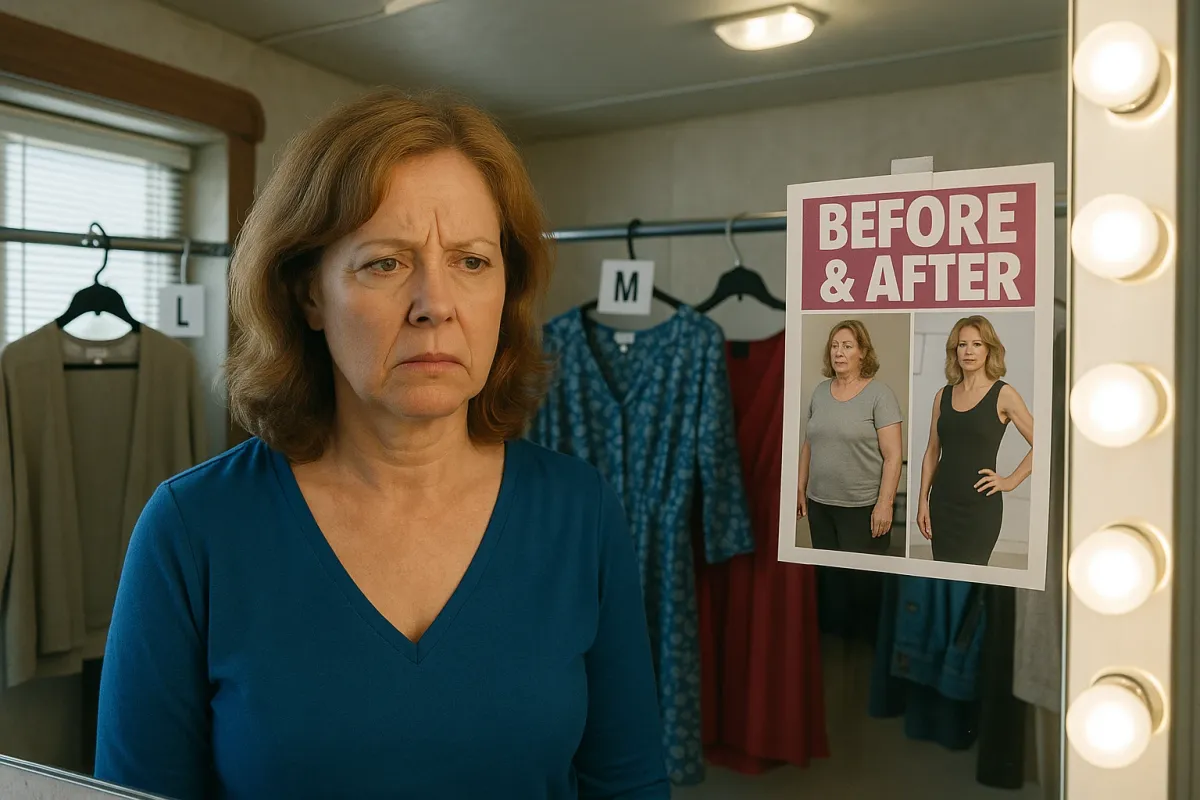
Social media collapses all of this nuance into before‑and‑after photos and casual speculation about who is “on the shot.” That creates a toxic environment where people feel either pressured to medicate when it’s not indicated, or shamed if they choose medication after years of failed attempts with lifestyle changes alone.
Here’s the evidence‑based middle ground: obesity is a complex, chronic condition influenced by genetics, environment, stress, sleep, endocrine factors, and more. For some, medication is appropriate, ethical, and effective; for others, it’s unnecessary or contraindicated. The decision belongs in a clinical conversation with a qualified provider, not in a comment thread. Your worth does not depend on whether you “did it naturally” or needed medical support.
If you’re considering these medications right now, anchor yourself in three questions with your clinician:
- Do I meet clinical criteria (BMI plus comorbidities, or other clear indications)?
- Have we ruled out reversible drivers (thyroid, certain meds, sleep apnea, unmanaged mood disorders)?
- Can we pair this with sustainable changes in sleep, nutrition, movement, and stress—so medication becomes one tool, not the whole plan?
3. Replace Aesthetic Goals With Functional Ones
One reason celebrity transformations go viral is that they tap into a deep cultural script: thinner equals better. Even when we say “health,” we often mean “looks more like a filtered photo.” But behavior science and exercise physiology point in a different direction: long‑term adherence skyrockets when goals are functional, not purely aesthetic.
Studies in sports psychology show that “process goals” (e.g., “walk 30 minutes most days,” “do 8 strength exercises twice weekly”) result in more consistent engagement than outcome‑only goals (“lose 20 pounds,” “fit into size X”). Likewise, physical activity guidelines from organizations like the WHO and American College of Sports Medicine emphasize minutes of movement, intensity, and functional strength—not appearance.
Shifting to functional goals doesn’t mean you’re not allowed to care about how you look. It means you stop letting the mirror be the only judge. Ask yourself:
- Do I want to climb stairs without getting winded?
- Lift my kids or luggage without strain?
- Sit at a desk all day without pain?
- Maintain muscle mass as I age to reduce injury risk?
- Aerobic activity: Aim for at least 150–300 minutes per week of moderate‑intensity cardio (brisk walking, cycling, swimming) or 75–150 minutes of vigorous activity, adjusted to your current level.
- Strength training: Work all major muscle groups at least twice a week. This is key for preserving muscle, metabolism, and bone density, especially as you move into your 30s, 40s, and beyond.
- Movement snacks: If your lifestyle is sedentary, short “movement snacks” (3–5 minutes every hour) improve blood sugar, circulation, and mood, even if you can’t hit the gym.
From there, build your routine around evidence‑based pillars:
When you start tracking what your body can do instead of only how it appears, celebrity weight fluctuations lose some of their power over your sense of self.
4. Design a Media Environment That Protects Your Mental Health
The Melissa McCarthy discourse highlights a harsh reality: our feeds are optimized for engagement, not wellbeing. Viral transformations, “What happened to her face?” posts, and speculative breakdowns of celebrities’ bodies dominate because outrage and fascination are highly clickable. That constant exposure has measurable effects.
Research links appearance‑focused social media use to increased body dissatisfaction, depressive symptoms, and disordered eating behaviors—especially in women and girls, but increasingly in men as well. The more time you spend in comparison‑heavy environments, the more distorted your internal “normal” becomes.
You can’t fully control the culture, but you can engineer your own digital surroundings more deliberately:
- Audit your feed: Spend 10 minutes muting or unfollowing accounts that consistently leave you feeling worse about your body, food, or lifestyle—even if they’re “motivating” in theory. Motivation that relies on shame is not sustainable.
- Diversify body representation: Follow creators, athletes, and health professionals across a range of sizes, ages, and abilities. Seeing performance and joy in diverse bodies recalibrates your sense of what health can look like.
- Shift content themes: Replace some purely aesthetics‑driven content with accounts that teach skills (cooking, lifting, running form, mobility work, sleep hygiene, stress tools). Education produces a very different emotional footprint than comparison.
- Set time boundaries: Use app limits or schedule “no scroll” windows (especially before bed and first thing in the morning). Chronic late‑night scrolling is linked not only to poorer mental health but also to shorter sleep duration and lower sleep quality—both of which are strongly tied to weight regulation and overall health.
Celebrity stories will still surface, but they’ll hit a more resilient, better‑informed nervous system.
5. Build a Personal Definition of “Wellness” That Can Survive Viral Moments
When the culture fixates on McCarthy’s body or any other high‑profile transformation, it subtly pressures you to reevaluate your own choices. Should you be doing more? Eating less? Asking your doctor for a prescription? Joining the “glow‑up” wave?
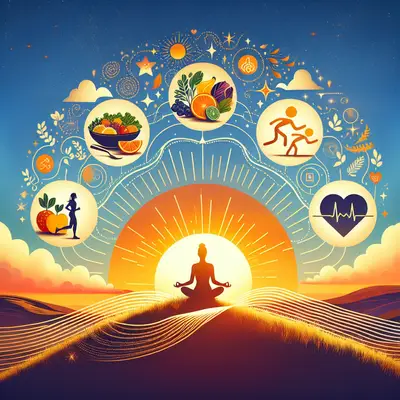
The antidote is to create a personal, evidence‑aligned wellness framework that’s strong enough to withstand those gusts. That framework should be grounded in four domains where lifestyle research is most robust:
- Sleep: Aim for 7–9 hours of sleep per night, with consistent bed and wake times. Poor sleep is linked to increased appetite hormones (ghrelin), reduced satiety hormones (leptin), impaired glucose tolerance, and higher risk of anxiety and depression. Start with simple anchors: regular wake time, reduced evening screen exposure, cooler bedroom, and a brief wind‑down routine.
- Nutrition: Focus on dietary patterns rather than rules. Mediterranean‑style and similar whole‑food eating patterns (vegetables, fruits, whole grains, legumes, nuts, olive oil, moderate fish and dairy, minimal ultra‑processed foods) are consistently associated with reduced cardiovascular risk, better cognitive aging, and improved metabolic health. This is about adding structure, not imposing punishment.
- Movement: As above, prioritize regular, enjoyable activity over perfection. Consistency beats intensity. Find modalities you’re willing to repeat on your worst weeks.
- Stress and connection: Chronic, unmanaged stress has tangible physiologic consequences: elevated cortisol, higher blood pressure, impaired immunity, disrupted sleep. Evidence‑backed tools include mindfulness practices (even 5–10 minutes daily), cognitive‑behavioral strategies, time in nature, and nurturing close relationships. Loneliness is now recognized as a serious risk factor for morbidity and mortality.
From there, articulate your own definition of “wellness” in a few sentences. For example:
“For me, being well means sleeping enough to feel alert, moving regularly so my body feels capable, eating in a way that supports my long‑term health without obsession, and having room for relationships, creativity, and rest.”
When a celebrity headline pops up, hold it against that standard—not the other way around. Ask: Does reacting to this story move me closer to or further from my own definition of health?
Conclusion
Melissa McCarthy’s post‑SNL buzz—and the speculation that followed—says more about our culture than it does about her. We’re living in a moment where weight‑loss medications are booming, social media serves us an endless reel of transformed bodies, and even casual viewers feel entitled to comment on someone else’s health story.
You don’t have to participate on those terms. By separating health from headlines, understanding the real role of modern weight‑loss tools, prioritizing functional goals, curating a mentally healthier media diet, and defining wellness for yourself, you reclaim agency in a landscape built to make you compare and doubt.
Celebrities will gain and lose weight. New drugs will launch. Viral posts will dissect someone else’s “before and after.” Your job is not to keep up. Your job is to build a way of living that still makes sense long after the algorithm has moved on.
Key Takeaway
The most important thing to remember from this article is that this information can change how you think about Lifestyle.